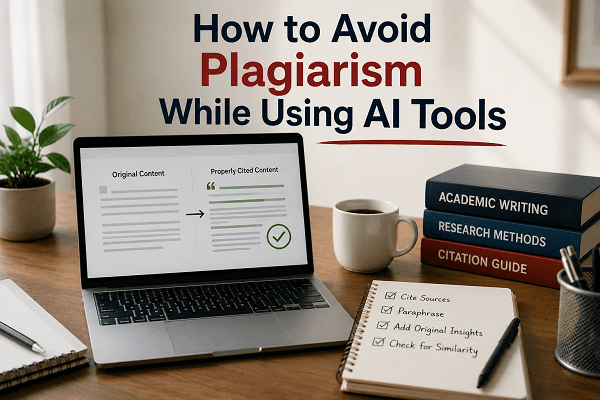
Artificial intelligence has transformed the way students, professors, and content writers create content. From generating essays and research drafts to writing blogs and professional emails, AI writing tools save time and improve productivity. However, many users face an important challenge: avoiding plagiarism while using AI-generated content.
Search engines and academic institutions are becoming stricter about originality. Whether you are writing a college assignment, a research paper, or website content, duplicate text can harm credibility, reduce SEO rankings, and even lead to penalties. That is why understanding how to use AI responsibly is essential.
In this guide, we will explain practical ways to avoid plagiarism while using AI tools and how a Free Plagiarism Checker can help you maintain original, high-quality content.
What Is Plagiarism?
Plagiarism happens when someone copies another person’s words, ideas, or content without proper credit. It can occur intentionally or accidentally. AI-generated content may sometimes produce sentences that are too similar to existing online sources, making plagiarism detection an important step in the writing process.
Common types of plagiarism include:
Copying text directly from websites
Rewriting content too closely to the original
Using AI-generated text without editing
Submitting duplicate academic or website content
Failing to cite research sources properly
For students and professionals, plagiarism can damage reputation and trust. For websites, duplicate content may negatively affect search engine rankings.
Why AI-Generated Content Needs Plagiarism Checking
AI tools are trained using massive datasets from books, websites, articles, and online content. While they create new text, some phrases or sentence structures may resemble existing material.
This is why using a Free Plagiarism Checker is essential before publishing or submitting any content. A plagiarism detection tool helps:
Detect duplicate text fast
Identify copied or similar sentences
Improve originality
Protect academic integrity
Prevent SEO penalties
Enhance professional credibility
Even experienced writers and researchers use plagiarism detection software to ensure content remains unique and trustworthy.
Tips to Avoid Plagiarism While Using AI Tools
1. Never Copy AI Content Directly
One of the biggest mistakes users make is copying AI-generated content word for word. AI should be used as a writing assistant, not a final publishing tool.
Instead:
Rewrite sections in your own style
Add personal insights or examples
Improve sentence flow
Adjust tone and structure
Human editing adds originality and authenticity to the content.
2. Use a Free Plagiarism Checker Before Publishing
Before submitting assignments or publishing blog posts, always scan the content with a reliable plagiarism checker.
A good plagiarism detection tool can:
Compare content against online sources
Highlight duplicate phrases
Show similarity percentages
Detect accidental plagiarism
Using a tool to Detect Duplicate Text Fast helps ensure your writing is original and compliant with academic or SEO standards.
3. Cite Sources Properly
If you use facts, statistics, quotations, or research from external sources, always provide proper citations.
For academic writing:
Use APA, MLA, or Chicago formatting
Include references and bibliography
Mention authors and publication sources
For blog writing:
Link to trusted sources when necessary
Reference studies or reports clearly
Proper attribution reduces plagiarism risks and improves content credibility.
4. Combine AI Assistance With Human Creativity
AI tools work best when combined with human expertise. Instead of asking AI to generate complete content, use it for:
Topic ideas
Outlines
Grammar improvements
Sentence restructuring
Content summaries
Adding your own perspective creates unique, engaging, and more valuable content for readers.
5. Rewrite and Paraphrase Carefully
Paraphrasing is not just changing a few words. Effective paraphrasing means fully understanding the original idea and expressing it differently.
To paraphrase properly:
Change sentence structure
Use fresh vocabulary
Simplify or expand explanations
Add your own examples
This helps create original content while preserving the meaning.
6. Check Content for AI Overuse
Search engines value high-quality, human-focused content. Overusing AI-generated text without editing may affect readability and trust.
To improve content quality:
Add conversational language
Include real-world examples
Break up repetitive phrases
Improve clarity and readability
Well-edited content performs better for SEO and user engagement.
7. Create Original Research and Insights
One of the best ways to avoid plagiarism is by adding unique value.
You can include:
Personal experiences
Industry observations
Case studies
Expert opinions
Original data or surveys
Unique insights make your content stand out from competitors and improve search engine rankings.
Importance of Original Content for SEO
Google prioritizes original, helpful, and user-focused content. Duplicate or low-quality AI-generated text may struggle to rank well in search results.
Original content helps:
Increase website authority
Improve organic traffic
Build audience trust
Reduce bounce rates
Improve search visibility
Following Google’s content quality guidelines is essential for long-term SEO success.
Best Practices for Students and Academic Writers
Students and researchers should be especially careful when using AI tools.
Recommended practices:
Use AI for brainstorming only
Verify all information manually
Cite research sources accurately
Run plagiarism checks before submission
Review grammar and formatting carefully
Academic institutions increasingly use advanced plagiarism detection systems, making originality more important than ever.
How Content Writers Can Stay Safe
Professional writers and bloggers also need to maintain originality to protect SEO rankings and client trust.
Content creators should:
Use plagiarism detection software regularly
Avoid publishing duplicate blog posts
Create fresh headlines and meta descriptions
Focus on user intent and readability
Edit AI-generated drafts thoroughly
High-quality, plagiarism-free content improves both user engagement and search engine performance.
Final Thoughts
Using AI writing tools can improve productivity, simplify research, and help create content faster, but maintaining originality is essential. Whether you are a student, professor, researcher, or content writer, avoiding plagiarism should always be part of your content creation process.
By editing AI-generated text, citing sources properly, and using a Free Plagiarism Checker to Detect Duplicate Text Fast, you can ensure your work remains authentic, professional, and SEO-friendly. Original content not only protects academic and professional credibility but also improves search engine rankings and reader trust.
With smart writing practices and reliable plagiarism detection, CorrectifyAI helps users create high-quality, plagiarism-free content with confidence.
FAQs
1. How can I avoid plagiarism while using AI writing tools?
To avoid plagiarism while using AI tools, always rewrite and edit AI-generated content in your own style, cite sources properly, and use a Free Plagiarism Checker to detect duplicate text before publishing or submitting your work.
2. Can AI-generated content be detected as plagiarism?
Yes, AI-generated content can sometimes contain phrases or sentence structures similar to existing online content. That is why it is important to use plagiarism detection tools to check originality and improve content quality.
3. Why is a plagiarism checker important for students and writers?
A plagiarism checker helps students, researchers, and content writers identify copied or duplicate content quickly. It improves originality, protects academic integrity, and helps maintain better SEO performance for websites and blogs.
4. What is the best way to detect duplicate text fast?
The best way to detect duplicate text fast is by using an advanced plagiarism detection tool like CorrectifyAI. It scans content for similarities and helps users create unique, high-quality writing.